Executive Summary
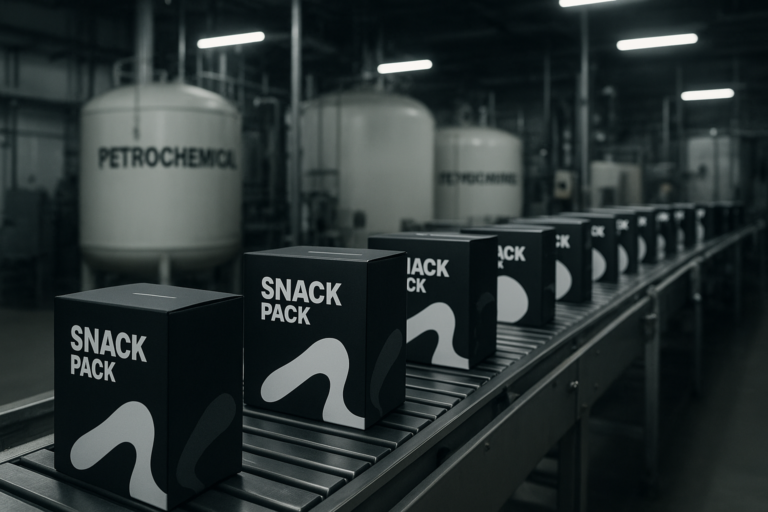
The key signal is heightened supply-chain vulnerability to Middle East geopolitical conflict disrupting oil-derivative inputs for packaging and manufacturing. Calbee’s switch to black-and-white packaging to mitigate naphtha supply uncertainties exposes broader risks for energy-importing economies like Thailand, where inflation pressures and cost structures in consumer goods and industrial sectors could intensify. This event underlines the delicate dependency on global oil markets, directly influencing input costs, trade dynamics, and inflation outlook in Thailand’s macro environment.
Key Facts
- Calbee, a major Japanese snack producer, introduced monochrome (black-and-white) packaging for its Kappa Ebisen shrimp crackers in Tokyo this week.
- The packaging change responds to supply uncertainties of naphtha, an oil-derived petrochemical used in inks.
- The naphtha supply disruption stems from geopolitical tensions linked to the Middle East conflict.
Why It Matters
This development flags critical exposure of manufacturing supply chains to fluctuations in oil-based feedstocks amid ongoing geopolitical instability. For Thailand, a net energy importer reliant on oil derivatives for industrial and consumer packaging, rising input costs driven by naphtha scarcity and price volatility could accelerate inflation beyond headline energy price movements. This will squeeze margins across food manufacturers, packaging firms, and exporters dependent on petrochemical inputs.
Furthermore, the reliance on Middle East oil imports intertwines Thailand’s inflation trajectory and trade balance with geopolitical risks. Supply shortages for petrochemical inputs like naphtha not only drive up raw material inflation but may also cause operational bottlenecks, leading companies to innovate packaging or seek alternative materials. This pressure has knock-on effects on consumer prices, influencing domestic demand and corporate earnings among listed consumer and industrial firms.
Investors should note this signals a structural vulnerability in Thailand’s manufacturing cost base in a high geopolitical-risk environment. Escalating input cost volatility can pressure the Bank of Thailand’s inflation management, complicate fixed-income market conditions, and potentially dampen foreign direct investment into manufacturing and export sectors highly sensitive to petrochemical costs.
Sector Impact
Positive:
- Packaging: Potential surge in demand for alternative, cost-effective, or sustainable packaging materials and technologies as firms seek to mitigate petrochemical input risks.
Neutral:
- Consumer Goods: While facing cost pressures, some companies may offset through pricing power or product adaptation, with impact varying by brand strength and export exposure.
Risk:
- Manufacturing & Food Processing: Increased raw material costs and supply uncertainties could compress margins, disrupt supply chains, and elevate inflation pass-through risks.
- Trade & Imports: Higher oil-derived input costs may widen Thailand’s import bill, worsening the trade deficit and exerting depreciation pressure on the Thai baht.
- Banks & Capital Markets: Inflation persistence and input cost shocks might prompt tighter monetary conditions, affecting borrowing costs and investor sentiment.
ASEAN Context
This development primarily reflects a domestic manufacturing cost issue influenced by global petrochemical supply disruptions. ASEAN countries share similar vulnerabilities due to their energy import dependencies and integrated supply chains but responses will vary based on individual energy profiles and manufacturing structures. For Thailand, the heightened risk underlines its exposure as a petrochemical importer reliant on Middle East oil supply routes, a common thread in the region but with differentiated resilience.
Bottom Line
Calbee’s monochrome packaging is a tangible indicator of supply-chain stress from oil-derived input volatility amid geopolitical tensions. For Thailand, this signals increased inflation and cost pressures in manufacturing and consumer sectors, with consequential macroeconomic ripple effects on trade and currency. Investors should consider the rising commodity input risk premium embedded in valuations for export-oriented and manufacturing-related equities and the potential tightening in macro financial conditions.
Thailand Investor Brief
Want deeper Thailand & ASEAN investor intelligence?
Join Thailand Investor Brief FREE
Unlock Thailand Investor Brief PRO
Complete Guide
For a broader investment framework, continue with the Thailand Energy Investment Guide 2026.