Executive Summary
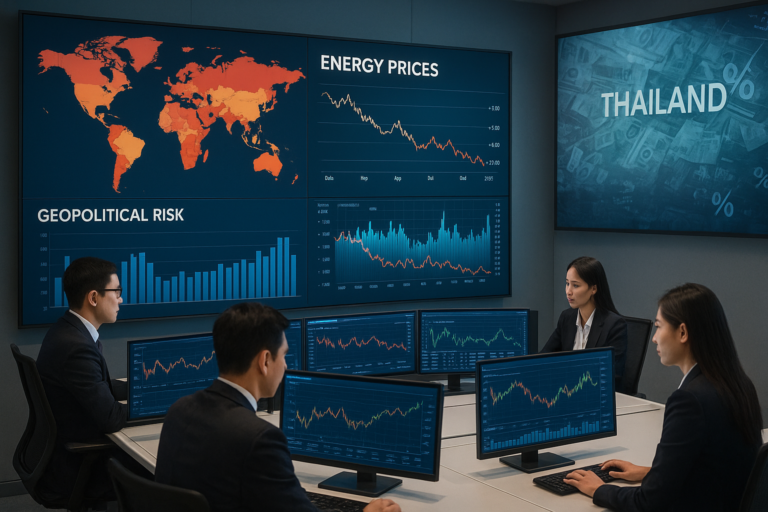
The key signal is that heightened geopolitical tensions in the Iran conflict are escalating Thailand’s energy import costs, which threatens to dampen overall economic growth and fuel inflationary pressures. For investors, this translates into increased operational and financing risks across sectors sensitive to energy prices, a more constrained GDP outlook, and pressures on corporate margins, particularly in energy-dependent industries. Understanding this dynamic is critical to anticipating shifts in Thailand’s macroeconomic conditions and market valuations.
Key Facts
- Thailand is a major net importer of oil and gas, making it vulnerable to upstream supply shocks.
- GDP growth forecasts for Thailand have been revised downward to as low as 1.3% due to rising energy costs and inflation.
- Energy price inflation pressures are increasing, exacerbating broader inflation risks in Thailand.
Why It Matters
Thailand’s economy is inherently exposed to international energy price volatility, given its dependence on imported oil and gas. The Iran conflict acts as a catalyst for global energy supply disruptions, which feed into elevated domestic fuel prices, increasing production and transportation costs across the economy.
Higher energy prices serve as a direct drag on consumer purchasing power, exacerbating inflation, and forcing the Bank of Thailand to balance inflation containment with growth support amidst weakening GDP momentum. This environment creates tighter margins for businesses, particularly in manufacturing and logistics sectors heavily reliant on fossil fuels.
The downward GDP revision to 1.3% reflects investor reassessment of Thailand’s economic resilience under elevated cost structures, signaling a more cautious risk appetite toward Thai assets. Currency volatility risk also rises as energy import bills swell trade deficits, pressuring the Thai baht and potentially increasing foreign borrowing costs.
Operational disruptions and cost inflation are likely to weigh on corporate earnings and capital expenditures, while fiscal pressures may limit government capacity for growth-stimulating measures.
Sector Impact
Risk: Energy – Due to rising import costs and supply chain uncertainties, energy-intensive operations face margin compression and increased cost pass-through risk.
Risk: Manufacturing – Higher fuel costs elevate input prices and logistics expenses, impacting export competitiveness and profitability.
Risk: Transportation and Logistics – Increased fuel prices directly harm operating expenses, squeezing margins and potentially leading to higher service costs.
Neutral: Financials – Although inflation and growth concerns create credit risks, banks’ exposure to energy costs is indirect; however, potential volatility in foreign exchange and credit markets warrants cautious capital allocation.
Neutral: Consumer Discretionary – Higher inflation may suppress discretionary spending growth but impact will vary depending on consumer segments.
ASEAN Context
This development appears primarily domestic in nature with limited immediate ASEAN-wide implications. However, given ASEAN’s integration in global energy markets and supply chains, sustained elevated energy costs could indirectly influence regional trade dynamics and production costs. Thailand’s experience may serve as a cautionary indicator for neighboring net energy importers facing similar geopolitical risks.
Bottom Line
The Iran conflict’s escalation is eroding Thailand’s energy security, driving inflation and forcing a notable downgrade in GDP growth expectations to near 1.3%. For investors, this translates into heightened risks in energy-dependent sectors, potential currency depreciation pressures, and diminished corporate earnings prospects. Energy import dependence remains a core vulnerability, underscoring the need for strategic risk management and sectoral scrutiny in Thai investment portfolios.
Thailand Investor Brief
Want deeper Thailand & ASEAN investor intelligence?
Join Thailand Investor Brief FREE
Unlock Thailand Investor Brief PRO
Complete Guide
For a broader investment framework, continue with the Thailand Energy Investment Guide 2026.