Executive Summary
The key signal is that Thailand’s current energy capacity and electricity generation profile underscores the country’s evolving energy security dynamics and the imperative to balance supply diversification with cost efficiency. For investors, this development matters because it affects Thailand’s import dependency, industrial competitiveness, and macroeconomic stability, especially in the context of global energy price volatility.
Key Facts
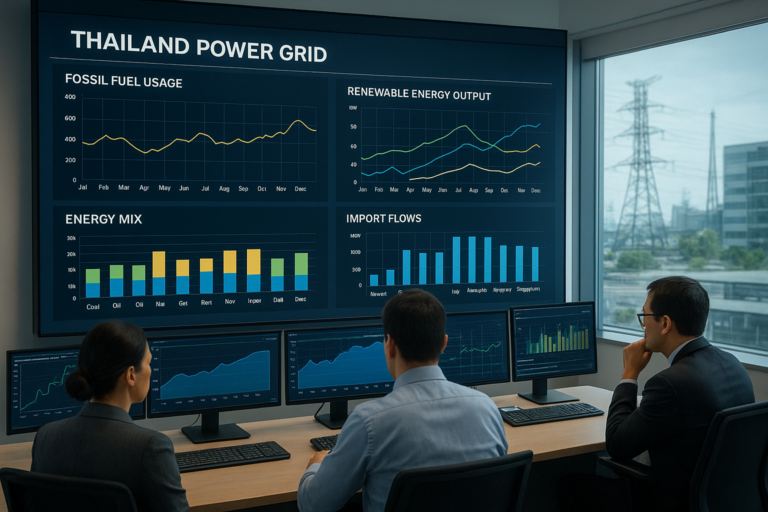
- Thailand’s electricity generation capacity includes a mix of fossil fuels, renewables, and imported power sources.
- Energy imports, particularly natural gas and coal, remain significant components of Thailand’s power generation fuel mix.
- The country is expanding renewable energy capacity but still relies heavily on traditional fuel sources for baseload power.
- Electricity demand in Thailand continues to grow steadily, driven by industrial and commercial sectors.
Why It Matters
Thailand’s energy infrastructure reveals critical macroeconomic vulnerabilities and investment opportunities. Heavy reliance on imported fuels exposes the economy to external shocks, such as rising global commodity prices and supply disruptions, which can feed into inflationary pressures and current account deficits. This dynamic has direct repercussions for currency stability, notably the Thai baht, which is sensitive to import cost fluctuations.
The gradual integration of renewable energy capacity signals a structural shift toward cleaner energy sources, aligning with global environmental trends and potentially attracting green investment flows. However, the current dependence on fossil fuels to ensure baseload reliability suggests transitional risks that could lead to higher operational costs and volatility in electricity prices, impacting manufacturing cost structures and competitiveness, especially for exporters.
Firm electricity supply growth reflects sustained industrial and economic activity, indicating robust domestic demand but also raising questions about longer-term energy sustainability and infrastructure adequacy. Investors in infrastructure, utilities, and energy sectors should interpret capacity trends as indicative of sustained capital expenditure needs, which will influence corporate earnings profiles and project financing conditions.
Sector Impact
Positive:
- Renewable energy – Expansion of capacity can drive investment and favorable regulatory support, enhancing long-term growth prospects.
- Utilities – Stable demand growth supports revenue visibility and infrastructure investment opportunities.
Neutral:
- Banking – Energy sector financing will remain steady but requires careful risk assessment around fuel price volatility and project execution.
Risk:
- Manufacturing and Exporters – Exposure to electricity cost fluctuations could pressure margins and pricing competitiveness.
- Currency Markets – Increased import dependency for fuel puts downward pressure on the Thai baht, influencing foreign capital flows.
ASEAN Context
This development appears primarily domestic in nature with limited immediate ASEAN-wide implications. However, Thailand’s energy mix and import profile reflect regional energy interdependencies, particularly regarding natural gas pipelines and cross-border electricity trade. Thailand’s strategic positioning could impact or be affected by regional supply chain shifts and ASEAN energy collaboration initiatives, but these remain secondary to domestic capacity and demand drivers currently.
Bottom Line
Thailand’s electricity generation capacity profile highlights a dual imperative: ensuring energy security through diversified supply while managing cost pressures from fossil fuel import reliance. For investors, this underscores the importance of capital allocation towards renewable energy and resilient infrastructure that can mitigate commodity price shocks. The energy sector’s evolution will materially shape industrial competitiveness and macroeconomic stability, key factors for equity valuations and currency outlooks. Prudence in assessing sector-specific risks and opportunities is critical amid ongoing energy transition dynamics.
Thailand Investor Brief
Want deeper Thailand & ASEAN investor intelligence?
Join Thailand Investor Brief FREE
Unlock Thailand Investor Brief PRO
Complete Guide
For a broader investment framework, continue with the Thailand Energy Investment Guide 2026.