Executive Summary
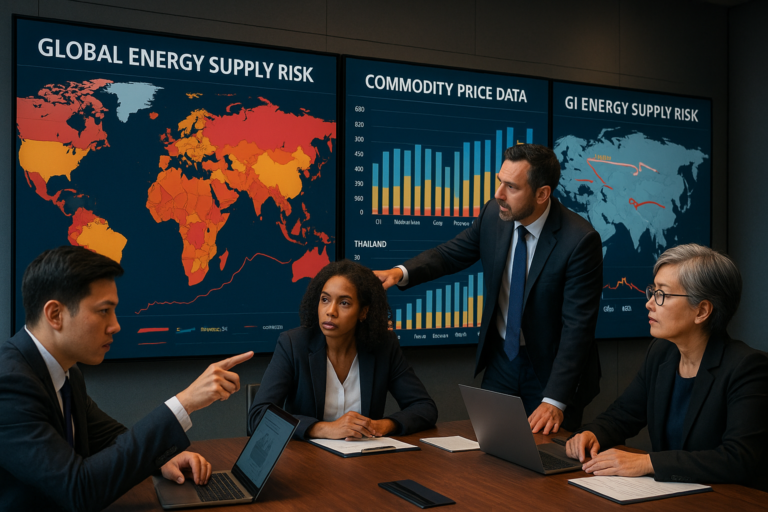
The key signal is the heightened risk of energy supply disruptions caused by geopolitical conflicts and economic blockades, as exemplified by Cuba’s crisis under a US oil blockade. For Thailand, this development underscores the vulnerability of its energy import dependencies to similar global pressures, emphasizing the need for diversified energy sourcing and risk management among investors. The Cuba case spotlights how external sanctions can trigger commodity shortages, inflationary spikes, and economic instability—risks that Thailand must factor into capital allocation, currency exposure, and corporate credit evaluations.
Key Facts
- Cuba is experiencing economic crisis intensified by a US-led oil blockade restricting vital energy supplies.
- The blockade has led to shortages impacting everyday commerce and government revenues.
- This situation highlights the use of commodity and energy embargoes as geopolitical tools.
Why It Matters
The Cuba economic crisis signals escalating geopolitical leverage via energy supply controls that can disrupt economies abruptly. Thailand’s reliance on imported energy—particularly crude oil and refined petroleum products—makes it susceptible to similar external shocks. The event exemplifies the transmission mechanism from international sanctions and blockades to domestic inflation and operational disruptions in commodity-dependent sectors. For investors, it emphasizes the importance of scrutinizing energy supply chain resilience in portfolio asset selection and sector allocation. Moreover, it increases focus on currency volatility driven by external trade deficits and potential capital outflows, relevant to Thai baht stability. The risk of sanction-related disruptions also heightens corporate credit risk profiles for firms with energy-intensive operations or foreign counterparty exposures linked to sanctioned regions or regimes.
In a broader sense, this development stresses how political risk factors embed into global energy markets, compelling Thai businesses to assess their vulnerability not only to price swings but also to geopolitical embargoes and export controls. As energy security becomes a strategic concern, companies may need to accelerate energy efficiency and alternative energy integration to mitigate exposure. Financial markets will price in these risk premiums variably, affecting borrowing costs for sectors tied to the energy supply chain.
Sector Impact
Positive:
- Renewable Energy: Elevated traditional energy risks favor investment in renewables, presenting growth opportunities in Thai solar, wind, and bioenergy sectors seeking to reduce import dependency.
Neutral:
- Banking: While increased credit risk exists for energy-reliant firms, diversified lending portfolios and strong regulatory capital buffers moderate overall impact.
Risk:
- Energy Imports: Oil and gas importers face margin compression and supply chain uncertainty, impacting profitability and potentially increasing cost pass-through inflation.
- Manufacturing & Exporters: Firms reliant on stable energy inputs face operational disruptions and cost volatility, pressuring margins and export competitiveness amid a volatile baht.
ASEAN Context
This development highlights broader ASEAN exposure to geopolitical risks affecting global energy flows. ASEAN economies, including Thailand, largely depend on energy imports vulnerable to supply restriction or price shocks prompted by external sanctions. The Cuba blockade example accentuates the strategic imperative for ASEAN nations to deepen regional energy cooperation, diversify suppliers, and enhance stockpiling mechanisms to mitigate sudden embargo impacts. However, the current signal is primarily focused on external blockades rather than intra-ASEAN trade frictions, indicating the need for ASEAN member states to jointly elevate energy security frameworks rather than expecting immediate regional trade policy adjustments.
Bottom Line
The US oil blockade on Cuba sharply illustrates the fragile nature of energy supply chains under geopolitical stress, a material concern for Thai investors exposed to energy import dependencies. It raises the premium on energy security risk in Thailand’s market valuations, operational strategies, and currency management. Investors should prioritize exposure to sectors and companies enhancing energy resilience while remaining prudent on those vulnerable to import disruptions and price volatility. Strategically, this development reinforces the critical need for Thailand to balance energy sourcing and to anticipate external political risks embedded in global commodity markets.
Stay Ahead of Thailand and ASEAN Markets
Thailand Investor Brief delivers AI-powered investor intelligence covering Thailand’s economy, markets, policy developments, and ASEAN business trends.
Receive daily insights designed for investors, executives, entrepreneurs, and globally minded professionals.
Join thousands of readers following the signals that matter across Thailand and ASEAN.
Join Thailand Investor Brief FREE
Complete Guide
For a broader investment framework, continue with the Thailand Energy Investment Guide 2026.