Executive Summary
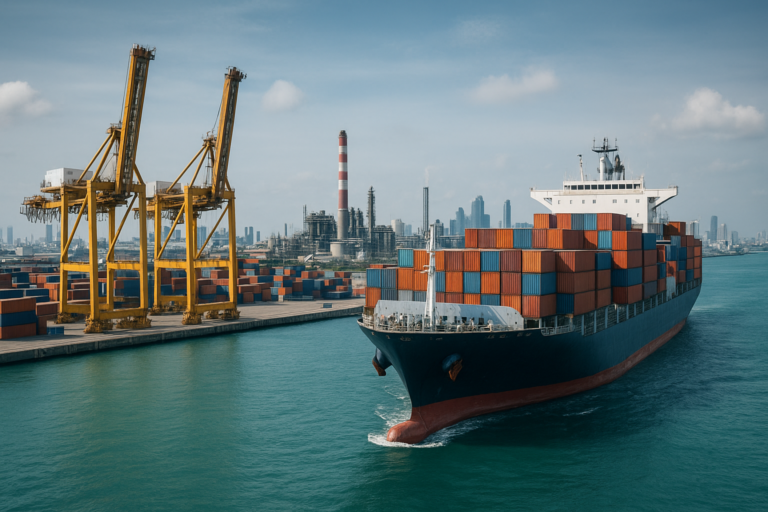
The key signal is the heightened vulnerability of Thailand’s automotive export sector to geopolitical disruptions in the Middle East, specifically through the Strait of Hormuz. This bottleneck underscores how external geopolitical crises can directly impact Thailand’s industrial output and broader macroeconomic conditions, given the automotive sector’s significant contribution to export earnings and GDP. The prolonged shipping route disruption threatens to derail 2026 production targets, marking a possible break in a five-year growth cycle, and raises concerns over export revenue, supply chain resilience, and investor confidence in Thailand’s manufacturing-led recovery.
Key Facts
- The Federation of Thai Industries (FTI) warns that if the Middle East conflict extends beyond three months, disruptions in the Strait of Hormuz shipping lanes will impact Thai car production targets for 2026.
- The automotive sector risks missing its production targets for the first time in five years due to this external disruption.
- Thailand relies on these shipping routes for a significant portion of its automotive exports.
Why It Matters
Thailand’s automotive industry is a cornerstone of its export-driven GDP growth and a key component of manufacturing output. A disruption caused by Middle East instability signals direct exposure to external geopolitical risk, which can undermine export volumes, reduce foreign exchange earnings, and raise supply chain costs. Delayed or reduced car shipments affect upstream suppliers, including parts manufacturers largely concentrated in Thailand’s industrial estates, causing a ripple effect on domestic production and employment.
Such export interruptions could exacerbate downward pressure on the Thai baht by reducing dollar inflows, thereby increasing import costs and inflationary pressures. For investors, this signals a potential recalibration of earnings expectations for automotive exporters and related listed companies reliant on smooth global logistics. Furthermore, longer shipping disruptions elevate uncertainties around supply chain sustainability and inventory management, possibly increasing working capital demands and credit risk within the sector.
From a sovereign economic perspective, missing production targets after five years of growth challenges Thailand’s industrial revival narrative post-pandemic. This risks slowdowns in overall manufacturing-led GDP growth, complicating the outlook for fiscal revenues derived from export taxes and industrial activity.
Sector Impact
Positive:
– Shipping & Logistics: Heightened disruptions may prompt investment and innovation in alternative routes or logistics infrastructure, potentially benefiting the domestic shipping and freight sectors over the longer term.
Neutral:
– Energy: Although energy import costs could rise due to shipping disruptions, the direct link to automotive production delays softens immediate sectoral impact.
Risk:
– Automotive: Supply chain disruptions and export delays threaten production targets, revenues, and profitability.
– Manufacturing Suppliers: Parts and materials suppliers face increased operational risks.
– Exporters: Reduced foreign exchange inflows may pressure liquidity and stock valuations in export-focused firms.
ASEAN Context
This development highlights Thailand’s vulnerability within ASEAN to global geopolitics and maritime chokepoints affecting trade flows. Regional supply chains interconnected with Thai automotive production could face delays, stressing the need for ASEAN trade diversification and enhanced connectivity. However, the issue is predominantly linked to Thailand’s export logistics rather than broader ASEAN trade patterns, limiting immediate regional macroeconomic consequences.
Bottom Line
The ongoing conflict in the Middle East and resulting disruptions through the Strait of Hormuz pose a tangible risk to Thailand’s automotive export sector, signaling a potential break in the recent growth cycle. This exposes structural vulnerabilities in Thailand’s export-dependent manufacturing economy to external geopolitical shocks, affecting macroeconomic stability and corporate earnings. Investors should recognize this bottleneck as a driver of near-term operational disruption and heightened export revenue uncertainty. The situation underscores the strategic importance of supply chain resilience and export diversification in safeguarding Thailand’s industrial growth trajectory.
Thailand Investor Brief
Want deeper Thailand & ASEAN investor intelligence?
Join Thailand Investor Brief FREE
Unlock Thailand Investor Brief PRO
Complete Guide
For a broader investment framework, continue with the Thailand Macro Investment Guide 2026.