Executive Summary
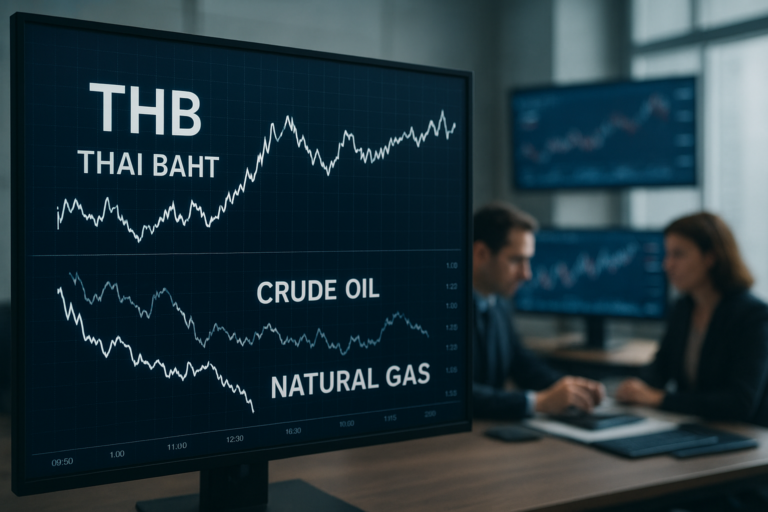
The key signal is the elevated volatility of the Thai baht driven by fluctuating energy import costs, which underscores heightened FX risk and market uncertainty directly tied to Thailand’s dependence on imported energy. This development matters because it affects currency risk management, corporate earnings, inflation dynamics, and investor confidence, creating tangible implications for exporters, energy-intensive industries, and capital flows.
Key Facts
- Increased volatility has been observed in the Thai baht exchange rate in relation to changes in energy import costs.
- Thailand remains a net importer of energy, making its external accounts sensitive to global fuel price swings.
- The baht’s price movement correlates with adjustments in crude oil and natural gas import expenses.
Why It Matters
Thailand’s reliance on imported energy introduces a direct channel through which external price shocks propagate into currency markets, amplifying baht volatility. When energy costs rise, import bills expand, pressuring the current account and the external balance. This pressure translates into increased currency depreciation risk, affecting the cost structures of businesses, especially those dependent on fuel or electricity.
For investors, baht volatility driven by energy imports complicates hedging and currency risk management strategies. Foreign investors holding Thai assets face returns variability not just from domestic fundamentals but also from global commodity price shifts beyond Thailand’s immediate control. Domestic companies with foreign currency liabilities or revenues will experience earnings volatility linked to exchange rate swings.
More broadly, baht fluctuations feed into inflationary pressures through imported fuel and energy-intensive goods, which may influence consumer purchasing power and corporate margin sustainability. This inflation signal can contribute to shifts in monetary policy expectations and borrowing costs, especially impacting energy-reliant business sectors, raising financing risk premiums or restraining capital expenditure.
Sector Impact
Positive:
- Exporters: A volatile baht can occasionally enhance competitiveness if depreciation occurs, helping exporters gain price advantage globally.
Neutral:
- Tourism: Exchange rate volatility has limited direct impact since tourism pricing is often in USD or baht, although visitor spending power may indirectly be affected by broader economic pressure.
Risk:
- Energy and Utilities: Increased costs of imported fuel and currency movements raise operational expenses and margin pressures.
- Manufacturing and Industrials: Industries heavily reliant on energy imports face input cost variability and profit margin compression.
- Financial Sector: Greater FX volatility may elevate credit risk for borrowers exposed to currency mismatches in liabilities or earnings.
ASEAN Context
This development appears primarily domestic in nature with limited immediate ASEAN-wide implications. However, it highlights the regional vulnerability of energy-import-dependent economies to external commodity price shocks and resultant FX volatility. Thailand’s experience serves as a case study underscoring the importance of regional energy security and currency risk mitigation frameworks.
Bottom Line
The central investor takeaway is that the Thai baht’s increased volatility anchored in energy import cost fluctuations elevates FX risk for Thailand’s capital markets and corporates. Energy-dependent sectors will need to closely manage input cost pressures and earnings variability, while currency risk management becomes more critical for both domestic and foreign investors. This dynamic reinforces the strategic significance of integrating commodity price exposure into Thailand-focused investment decisions.
Stay Ahead of Thailand and ASEAN Markets
Thailand Investor Brief delivers AI-powered investor intelligence covering Thailand’s economy, markets, policy developments, and ASEAN business trends.
Receive daily insights designed for investors, executives, entrepreneurs, and globally minded professionals.
Join thousands of readers following the signals that matter across Thailand and ASEAN.
Join Thailand Investor Brief FREE
Complete Guide
For a broader investment framework, continue with the Thailand Energy Investment Guide 2026.