Executive Summary
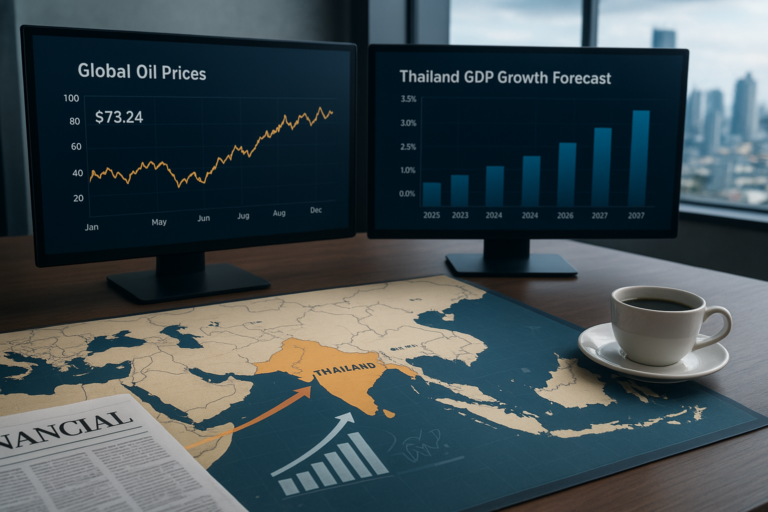
The key signal is that geopolitical tensions in Iran are translating into direct macroeconomic headwinds for Thailand via rising energy import costs and elevated inflation pressures, dragging down GDP growth prospects to as low as 1.3%. This matters because Thailand’s heavy reliance on energy imports means external conflicts in the Middle East reverberate through import prices, consumer inflation, corporate costs, and overall economic momentum. For investors, this dynamic signals increased volatility in inflation, potential upward pressure on borrowing costs, and margin compression risks for energy-dependent sectors, compounding an already challenging global economic environment.
Key Facts
- Thailand is a major net importer of oil and gas.
- The Iran conflict has triggered a downward revision of Thailand’s GDP growth forecast to as low as 1.3%.
- Inflationary pressure in Thailand is heightened due to rising energy prices stemming from the conflict.
Why It Matters
Thailand’s macroeconomic stability and growth trajectory are vulnerable to external energy shocks given its import dependency—energy costs feed directly into transportation, manufacturing, and utilities, sectors that underpin Thailand’s GDP composition. The reduced GDP growth forecast to 1.3% signals not only slower expansion but also a squeeze on fiscal space and tax revenues, potentially limiting government flexibility amid inflationary headwinds.
Heightened inflation pressures erode real household income, dampening domestic consumption—a key GDP growth driver. This inflation also complicates the monetary policy landscape as the Bank of Thailand balances inflation containment with support for fragile growth, leading to investor uncertainty around interest rate trajectories and credit conditions.
For listed companies, especially those with significant exposure to fuel costs such as transport, logistics, and energy-intensive manufacturing, margins will be compressed. This inflationary input cost pressure may not be fully transferable to consumers, causing earnings risk. Exporters reliant on stable logistics and cost-competitiveness face input cost shocks that could erode global pricing advantage.
Meanwhile, the Thai baht could experience volatility amid shifts in foreign capital flows as investors reassess risk in emerging markets vulnerable to energy cost shocks. Increased inflation and growth uncertainty may undermine investor confidence, impacting foreign direct investment and portfolio inflows.
Sector Impact
Risk: Energy sector – Rising global oil and gas prices increase import bills and reduce profit margins for Thai energy companies exposed to crude price volatility.
Risk: Transportation and logistics – Higher fuel costs directly increase operational expenses, pressuring earnings and potentially impacting pricing and demand.
Risk: Manufacturing and industrial – Elevated energy costs raise production expenses, squeezing margins and affecting export competitiveness.
Neutral: Financial sector – Bank credit conditions may tighten if inflation sustains and growth slows, yet impact remains indirect pending monetary policy response.
Neutral: Consumer discretionary – Inflation pressures reduce disposable income but the net impact depends on income elasticity and duration of price increases.
ASEAN Context
This development appears primarily domestic in nature with limited immediate ASEAN-wide implications. However, Thailand’s energy import exposure is higher than many ASEAN neighbors, so the inflation-growth trade-off may impose relatively greater constraints on its economic performance compared to more energy self-sufficient countries in the region.
Bottom Line
The Iran conflict exposes Thailand’s economic vulnerability through tighter energy supply conditions and rising import costs, undermining growth prospects and amplifying inflation risks. Investors should consider the potential for continued earnings pressure in energy-reliant sectors and volatility in currency and capital flows. This shock underscores the strategic importance of Thailand’s energy import dependency and the macro risks that external geopolitical events can impose on its economy.
Thailand Investor Brief
Want deeper Thailand & ASEAN investor intelligence?
Join Thailand Investor Brief FREE
Unlock Thailand Investor Brief PRO
Complete Guide
For a broader investment framework, continue with the Thailand Energy Investment Guide 2026.