Executive Summary
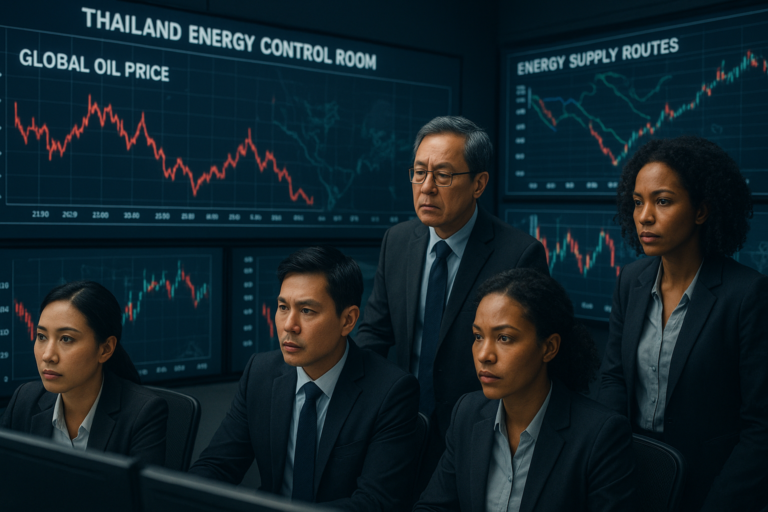
The key signal is that geopolitical tensions stemming from the Iran conflict directly heighten Thailand’s vulnerabilities as a major net importer of oil and gas, triggering both an economic growth downgrade and amplified inflation pressures. This development underscores pronounced risks to Thailand’s macroeconomic stability linked to global energy market shocks, with immediate consequences for corporate earnings, consumer spending, and fiscal conditions, thus demanding reassessment of asset allocations by investors sensitive to energy cost inflation and economic growth deceleration.
Key Facts
- Thailand is a major net importer of oil and gas, heavily reliant on stable global energy markets.
- The Iran conflict has contributed to a downward revision of Thailand’s GDP growth forecast, potentially as low as 1.3%.
- Inflationary pressures in Thailand are rising in response to increased energy import costs linked to the conflict.
Why It Matters
The Iran conflict represents a significant external shock that exacerbates Thailand’s energy import cost structure, undermining the country’s economic momentum and cost environment. Energy cost inflation filters through to transportation, manufacturing, and consumer prices, eroding real household incomes and compressing corporate margins, particularly in energy-intensive sectors. These dynamics suppress domestic consumption and investment confidence, which blunt GDP growth prospects.
For Thailand’s macro outlook, this energy supply disruption directly magnifies trade deficits by inflating import bills, stretching the current account and putting depreciation pressure on the Thai baht. Currency volatility may in turn elevate foreign currency borrowing costs for companies and the government, feeding into higher debt servicing burdens. The combined effect depresses investor sentiment in local capital markets, particularly in financials and industrials with energy dependencies.
From a fiscal perspective, increased inflation and slower growth complicate public finances by straining subsidy programs and social safety nets, while limiting government revenue growth from taxes tied to economic activity. This weakens Thailand’s fiscal flexibility amidst a less benign external environment.
Sector Impact
Positive:
- Energy – Domestic renewable energy producers and energy-saving technology firms may benefit from heightened urgency to reduce reliance on imported fossil fuels.
Neutral:
- Tourism – While tourism is indirectly affected by broader macro pressures, immediate impacts from energy cost shifts are limited.
- Banking – Short-term credit quality and lending activity may remain stable but face pressure if energy costs sustain inflation and growth slowdown.
Risk:
- Manufacturing & Exporters – Higher energy input costs compress margins and reduce price competitiveness internationally, risking profit erosion and capital expenditure cuts.
- Retail & Consumer Goods – Inflation dampens consumer spending power, pressuring sales volume and profitability.
- Transportation & Logistics – Elevated fuel prices increase operational costs, reduce margins, and potentially raise service prices, affecting demand.
ASEAN Context
This development appears primarily domestic in nature with limited immediate ASEAN-wide implications. However, it highlights ASEAN countries’ shared vulnerability to Middle East geopolitical risks due to collective energy import dependencies. Thailand’s experience reinforces the importance of regional collaboration on energy diversification and supply chain resilience, which remain longer-term strategic priorities for ASEAN economies.
Bottom Line
The Iran conflict spells amplified energy cost pressures that undercut Thailand’s growth prospects and elevate inflation risk, compromising corporate earnings across export-oriented and domestic sectors. Investors must factor in heightened macroeconomic volatility tied to external energy shocks, with implications for the Thai baht, debt costs, and sectoral earnings resilience. Energy security will increasingly be a focal point in Thailand’s economic stability and investment landscape going forward.
Thailand Investor Brief
Want deeper Thailand & ASEAN investor intelligence?
Join Thailand Investor Brief FREE
Unlock Thailand Investor Brief PRO
Complete Guide
For a broader investment framework, continue with the Thailand Tourism Investment Guide 2026.